







Search Results for: extraction stage
Pour-Over Beginner's Guide: How Three-Stage Pouring Extraction Makes Coffee Layers More Distinct
Segmented extraction is a common and practical brewing method in pour-over coffee. Front Street Coffee also often uses three-stage extraction in daily production to enhance the layering of the coffee. Many friends who are just getting into pour-over coffee are curious: what advantages does three-stage extraction actually have? What flavor extraction tasks does each pouring stage undertake? Why does this method make coffee taste more layered? This article will take the Panama Hacienda La Esmeralda washed Green Label Geisha as an example, separating the coffee liquid from the three extraction stages for tasting one by one, analyzing the flavor characteristics presented in the front, middle, and back stages, and comparing the overall taste changes after mixing, to help beginners understand the principles and practical application effects of three-stage extraction. [more…]
Why Does Pour-Over Coffee Favor Staged Pouring? Analyzing the Extraction Efficiency and Controllability Differences Between the One-Pour Method and the Three-Stage Method
In the world of pour-over coffee, the choice of pouring method often determines the final flavor direction. Although brewing techniques emerge endlessly, multi-pour pouring has always remained mainstream—whether in professional competitions, café offerings, or enthusiasts' daily practice, its presence can be seen everywhere. Many friends who are just getting into pour-over ask Front Street Coffee: why do we always have to divide the water into several pours? Behind this actually involves two key factors: the improvement of extraction efficiency and the controllability of the brewing process. This article will unfold around the differences between single-pour and three-stage pouring and other staged pouring methods, analyzing the advantages of multi-pour pouring from the perspectives of extraction time and concentration differences, while also answering why immersion extraction has a higher fault tolerance rate, helping everyone understand the essence of the pouring logic in pour-over coffee. [more…]
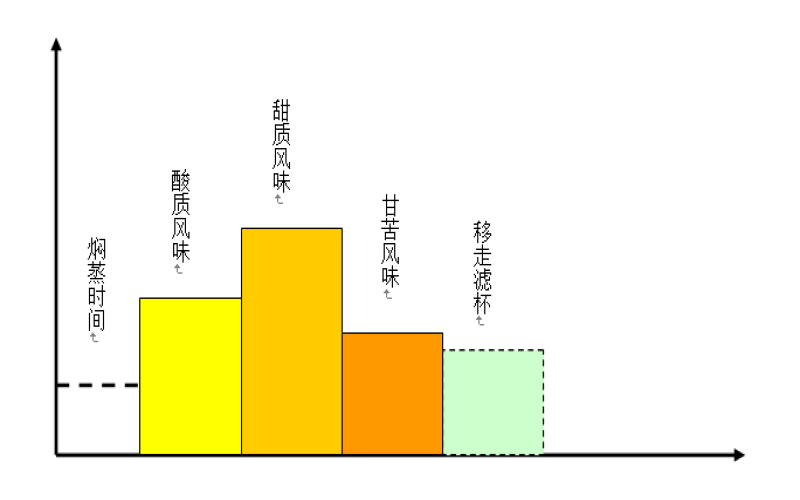
Segmented Extraction and Sweetness Release in Pour-Over Coffee: Flavor Changes Across the Beginning, Middle, and End Stages, and a Four-Pour Comparative Practice
In pour-over coffee, staged pouring is a common technique for regulating flavor. The three tastes in coffee—acidity, sweetness, and bitterness—are not released at the same rate; hot water draws them out in sequence. This article uses Front Street Coffee's medium-roast Papua Bird of Paradise coffee beans as an example. With 15g of grounds, 225ml of total water, and a water temperature of 89°C, it employs three-stage and four-stage pouring respectively to compare the flavor differences in the early, middle, and late coffee liquid, helping you find the extraction stage where sweetness is most concentrated. It also explains how the number of stages affects extraction yield, operating time, and the risk of over-extraction, and offers practical ideas for improving the efficiency of sweetness extraction. [more…]
Pour-Over Coffee Brewing Methods | Does Multi-Stage Pouring Make Pour-Over Coffee Taste Better? How to Do Staged Pouring When Making Pour-Over Coffee?
In yesterday's post, Front Street mentioned that one of the advantages of pour-over coffee is its high level of controllability. During the brewing process, we can adjust the pouring method based on the actual situation, so that the coffee's flavor does not stray from being delicious. This statement is not unfounded; many techniques can help us do [more…]
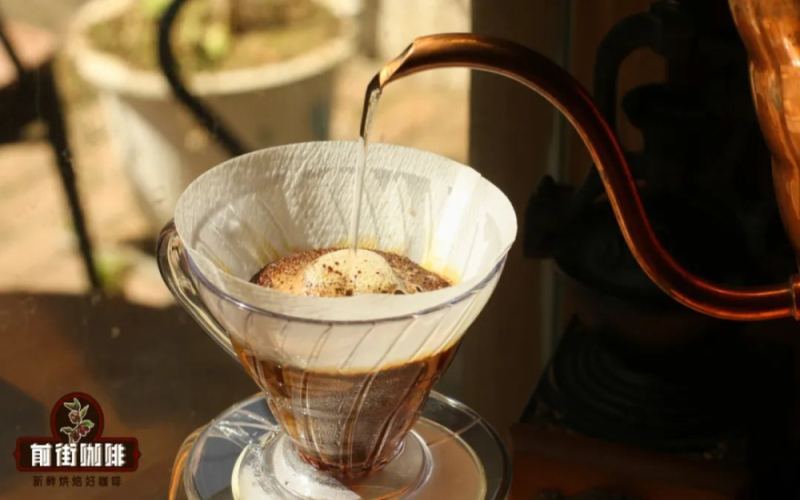
Analysis of the Three-Pour Principle in Pour-Over Coffee: Why Blooming and Pour Intervals Are So Crucial
In the previous article, Front Street explained why it has always used the three-pour brewing method; this time, it will take a deeper look at the principles and operational details behind it. Starting from the logic of extraction, the article explains why blooming releases carbon dioxide, how staged pouring enhances layering, and how the interval between pours affects the temperature of the coffee bed and extraction efficiency. Front Street will then provide complete brewing parameters, including coffee dose, grind setting, water temperature, coffee-to-water ratio, and dripper choice, and demonstrate step by step the specific techniques for the three stages of blooming, main extraction, and finishing, as well as how to finally swirl the brewed coffee so that the flavors from each stage blend together. This is suitable reading for coffee enthusiasts who want to refine their pour-over technique. [more…]
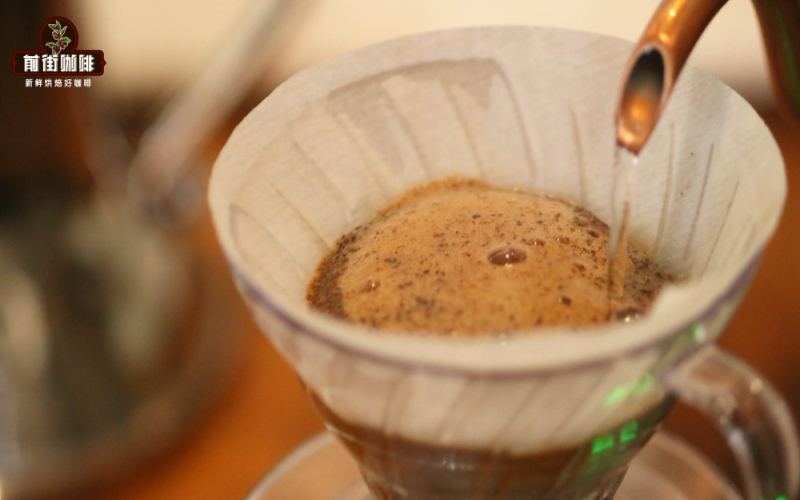
Complete Tutorial on Three-Pour Pour-Over Coffee: Ratio Distribution, Water Temperature Control, and Extraction Rhythm Analysis
Among the many techniques of pour-over coffee, the pouring method has always been the core topic that enthusiasts are most eager to discuss. Different pouring strategies directly affect the flavor layers and mouthfeel that the coffee ultimately presents. For beginners who are just getting into pour-over, Front Street usually recommends a three-stage pouring plan known as the "universal pour-over method." This article will use 15 grams of grounds and a 1:15 coffee-to-water ratio as an example to break down in detail the proportion distribution of the three-stage pour, deeply analyze the operational essentials of each pouring stage and the extraction logic behind it, and also share practical experience with staged water temperature control, helping you stably brew clean, bright, and richly layered good coffee at home. [more…]
A Detailed Guide to Pour-Over Coffee Staged Extraction Techniques: A Full Breakdown of One-Pour, Three-Pour, and Three-Stage Brewing Steps
Among the many schools of pour-over coffee, single-pour, three-pour, and volcano methods each have their own characteristics, and the three-pour method is the classic example of staged extraction. By dividing the pour into several stages, staged extraction can present a richer sense of layering, clearly distinguish the flavors of the coffee's front, middle, and back sections, and at the same time reduce the chance of water escaping from the edge of the dripper, improving brewing stability. However, this technique also places higher demands on controlling flow rate and water volume. This article will use beans from Costa Rica's Pilon processing plant as an example to break down the steps of staged extraction in detail, and answer the common confusion about when to stop and when to pour again, helping you easily master this technique. [more…]

Analysis of the Principles of Segmented Extraction in Pour-Over Coffee: Flavor Release Patterns at Each Stage and Practical Brewing Applications
There are many different pour-over brewing techniques, and staged pouring is widely recognized as an effective way to enhance a coffee's complexity. But have you ever wondered exactly which flavor compounds each pour extracts from the coffee? Front Street Coffee conducted a comparative experiment, selecting a light-roasted fruit-acid Kenya Kirinyaga AA and a medium-roasted nutty Yunnan natural Typica, using a four-pour method to collect the coffee liquid from each stage separately. After tasting each one, they revealed which flavor components are respectively responsible during blooming, the middle stage, and the final stage. Building on this, this article further summarizes how to apply these extraction patterns to actual brewing—how to adjust parameters to highlight sweetness, and how to distribute water to achieve a juicy mouthfeel—offering concrete, actionable ideas for each. [more…]
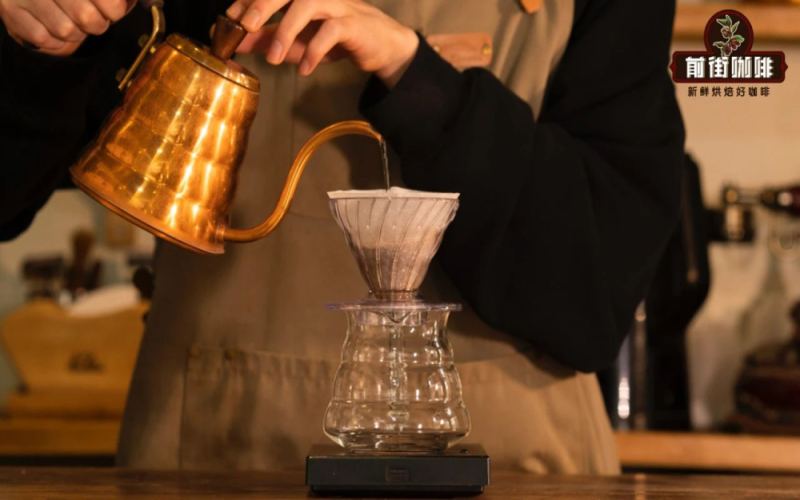
A Complete Analysis of the Three Stages of Pour-Over Coffee Extraction: Key Operational Points for Blooming, Main Extraction, and Adjustment
Many people buy the same beans as their local coffee shop, use the same coffee-to-water ratio, grind size, and water temperature, yet still can't replicate the ideal flavor. Front Street Coffee believes that brewing is like cooking—relying on parameters alone is far from enough; the key lies in understanding the purpose of each step in the entire extraction process. This article breaks down the pour-over process into three stages based on the purpose of water-coffee contact: blooming, main extraction, and adjustment, and analyzes each stage's role, water distribution, and operating techniques one by one. Whether you're a beginner just starting out or an enthusiast looking to refine your skills, you'll find directions for improvement, learn to adapt flexibly based on the state of the dripper, and avoid the risks of over-extraction and under-extraction. [more…]
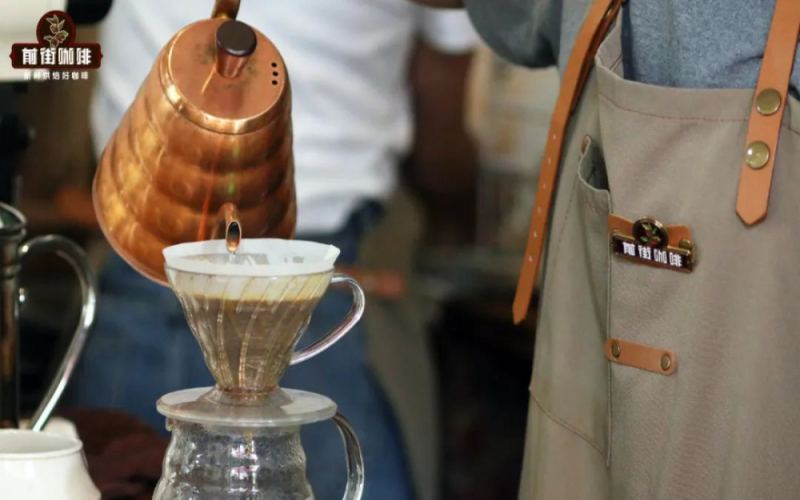
A Detailed Guide to Pour-Over Coffee Ratios: Staged Pouring, Water Temperature, Grind Parameters, and a Three-Stage Practical Guide
The charm of pour-over coffee lies in the ability to flexibly adjust various parameters, and the coffee-to-water ratio is the core variable that determines strength and extraction. Starting from the definition of the coffee-to-water ratio, this article analyzes how the amount of water poured affects strength and extraction yield, explains how to choose a suitable ratio based on the characteristics of the beans, and breaks down in detail the principles and methods of staged pouring. Using the 15 g dose and 1:15 to 1:16 ratio commonly used at Front Street locations as an example, along with parameters such as water temperature and grind size, it provides a three-pour brewing procedure suitable for beginners, helping enthusiasts build their own brewing framework. [more…]
Pour-Over Coffee Three-Stage Pouring Technique: A Detailed Guide to Water Distribution and Calculation for Each Stage
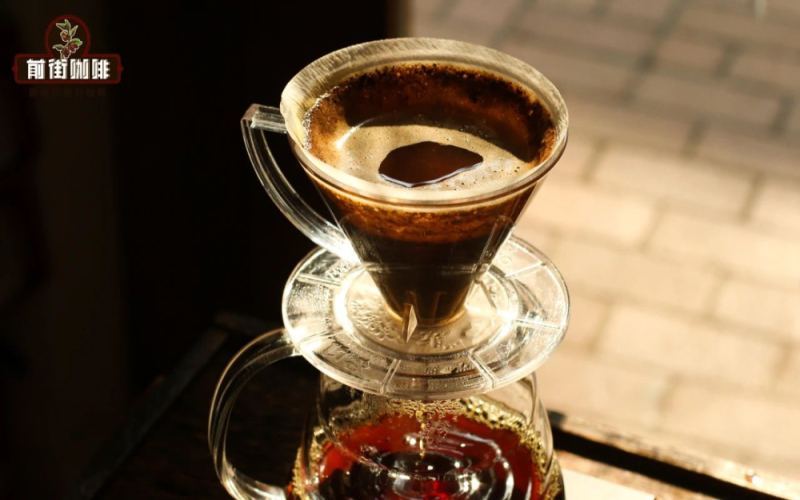
The charm of pour-over coffee lies in precisely controlling the extraction process through staged pouring, allowing each cup to present rich layers of flavor. This article will guide you through the basic principles of pour-over coffee, essential equipment, how to calculate the coffee-to-water ratio, and a detailed breakdown of the three-stage pouring method's specific operations and water distribution. At the same time, we'll share Front Street Coffee's brewing experience, including how to adjust parameters based on coffee bean characteristics, as well as the calculation logic and practical tips for each stage of water in the three-stage pour. Whether you're a beginner just starting out or an enthusiast looking to refine your skills, you'll find practical guidance here. [more…]
Step-by-step pour-over three-stage tutorial | What is pour-over coffee and how to calculate the water-to-coffee ratio? Three-stage pour-over coffee guide with water volume and pouring ratio for each stage
I don't know under what circumstances everyone first learned about pour-over coffee. For Front Street, it was one day when I walked into a café and saw the barista pouring water in circles over the coffee grounds in the dripper, and then getting a cup of rich, aromatic black coffee. I found it absolutely fascinating, and so I fell under the spell of pour-over coffee. What does pour-over coffee mean? [more…]
How Should You Decide the Timing for Multiple Pours in Pour-Over Coffee? An Analysis of the Practical Impact of Pour Timing on Extraction Efficiency and Flavor
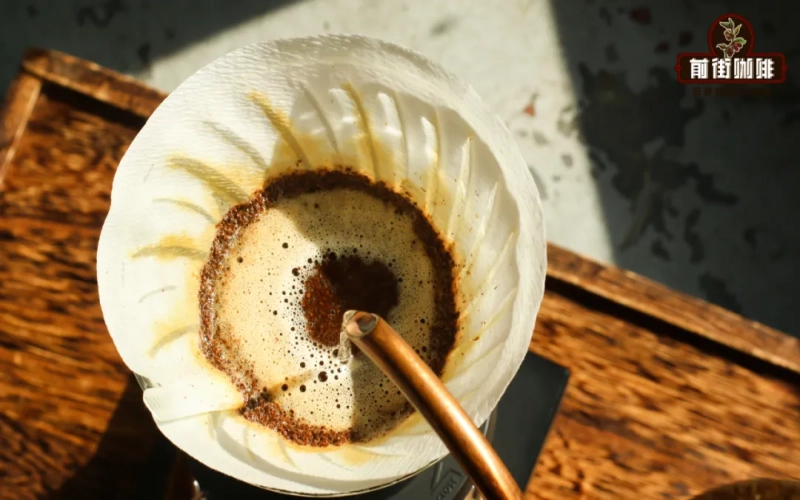
Multi-pour pouring is a brewing technique commonly used by many enthusiasts in pour-over coffee, but for each pour, should you wait for the water level to drain completely before pouring again, or continue pouring while there is still liquid in the dripper? This seemingly minor choice actually affects the final extraction efficiency through two dimensions: extraction time and liquid concentration. Starting from a comparative experiment at Front Street, this article analyzes the specific effects of different pouring timings on extraction yield and flavor performance, and offers practical advice on how to flexibly choose pouring nodes in different brewing scenarios, helping you more precisely control the flavor direction of every cup of pour-over. [more…]
Pour-over coffee method step-by-step guide | What is the best golden coffee-to-water ratio for pour-over? How to adjust water temperature and brewing time parameters?
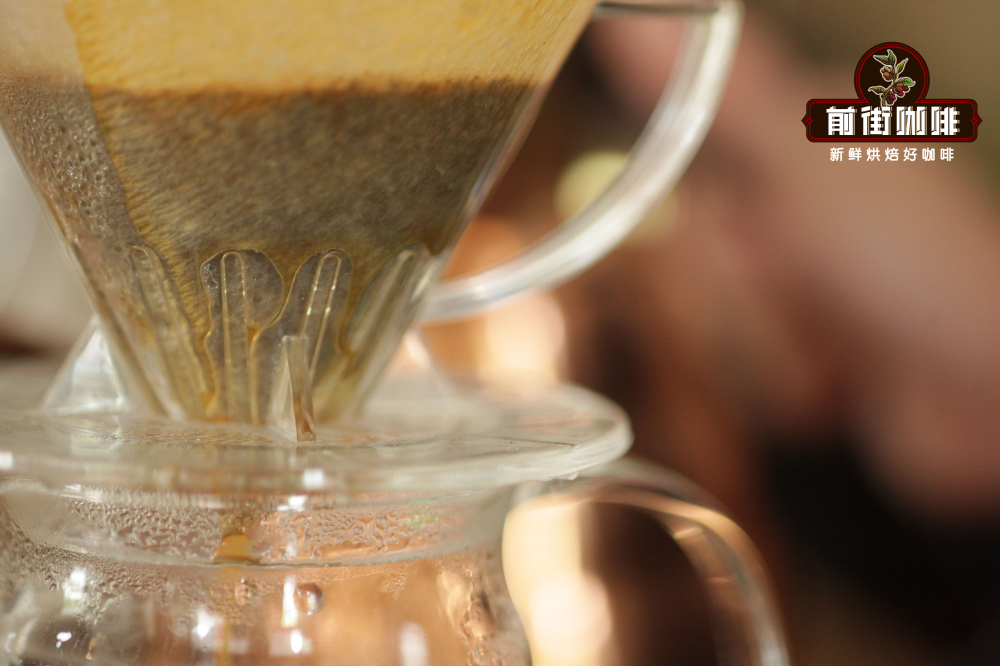
The charm of pour-over coffee lies in the ability to adjust various subtle parameters and tweak the extraction variables at different stages to achieve a cup with the flavor and mouthfeel you enjoy. Front Street Coffee believes that the coffee-to-water ratio is a very important parameter affecting pour-over coffee. Mastering the coffee-to-water ratio not only makes the extraction more stable but also allows the flavor to present more [more…]
How to Determine the Coffee-to-Water Ratio for Pour-Over Coffee? A Practical Guide from Calculation to Three-Stage Pouring
The coffee-to-water ratio in pour-over coffee directly determines the strength and extraction yield of the final cup, and it is the first core parameter beginners need to master. Drawing on Front Street Coffee's brewing experience, this article first explains what the coffee-to-water ratio means and how to calculate it, then explains why water should be poured in stages, and provides a universal three-stage method suitable for beginners: 15 grams of coffee, a 1:15 ratio, 225 milliliters of total water, completed in three pours of 30, 95, and 100. The article also includes a list of equipment, bean selection advice, reference water temperature and grind size, and specific steps for using Front Street washed Yirgacheffe with a Hario V60, helping readers build a stable brewing framework. [more…]
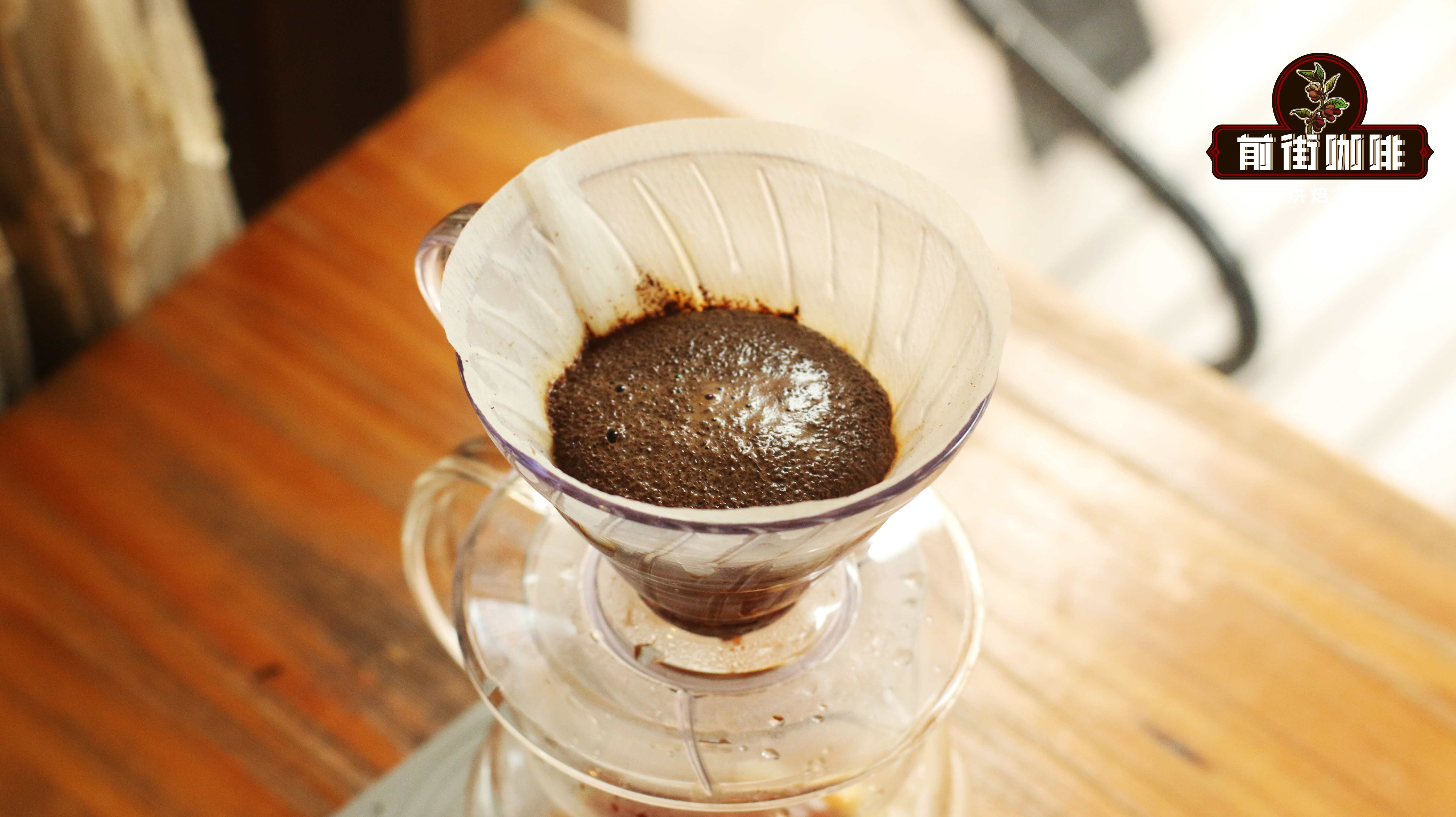
Why exactly is the bloom in pour-over coffee unskippable? A complete analysis from the principles of degassing to the number of pouring stages
The blooming phase in pour-over coffee may look like simply wetting the coffee grounds with hot water, but it actually determines whether the entire cup can be extracted evenly. Drawing on the hands-on experience of Front Street Coffee, this article systematically sorts out the core purposes of blooming—releasing gases inside the coffee beans, ensuring even extraction, and judging bean freshness—and analyzes one by one how factors such as coffee bean storage time and roast level, water temperature, amount of water poured, blooming duration, and grind size affect the blooming effect. Through comparative experiments, the article also verifies the actual impact of the number of pouring stages on extraction time and flavor performance, helping enthusiasts understand the logic and applicable boundaries of three-stage pouring. [more…]
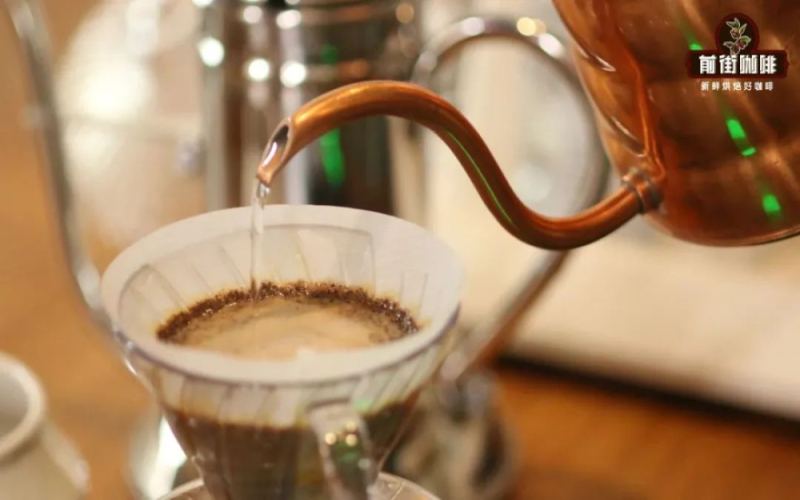
Analysis of the Differences Between One-Pour and Three-Pour Hand Brewing: How Pouring Technique Affects Coffee Flavor and Extraction
There are many ways to pour water when making pour-over coffee, and among them the one-pour method and the three-stage method are two common yet strikingly different techniques. The one-pour method originates from Japanese swordsmanship; it looks simple to perform, but places extremely high demands on water-flow control. The three-stage method, by contrast, extends the extraction time through staged pouring, enhancing the layers of flavor. This article uses a comparative experiment at Front Street Coffee, using the same washed Yirgacheffe beans, brewed with the one-pour method and the three-stage method respectively, to analyze the differences between the two in the shape of the coffee bed, flavor performance, and extraction time, and to explore why the three-stage method is more favored by baristas. Whether you are a beginner or an advanced player, understanding the core points of these techniques can help you flexibly choose according to the beans and parameters, and brew a more satisfying cup of coffee. [more…]
Hand-brewed coffee variable-temperature brewing method: How different water temperatures affect flavor layers and extraction results
In the world of pour-over coffee, water temperature has never been a fixed parameter. At world-class brewing competitions, many competitors use variable-temperature brewing, precisely steering the flavor direction of the coffee by using different water temperatures at different stages. Front Street Coffee conducted a set of comparative experiments using the same Panama Elida Typica beans, brewing them with three approaches: constant temperature, high temperature in the early stage followed by a temperature drop in the later stage, and low temperature for blooming followed by high temperature in the later stage and then a temperature drop. They measured concentration and evaluated the flavor. The results showed that variable-temperature brewing can significantly change the acidity, sweetness, and aftertaste of the coffee. This article will walk you through the operating techniques, experimental data, and flavor differences of variable-temperature brewing, helping you control your pour-over parameters more flexibly. [more…]
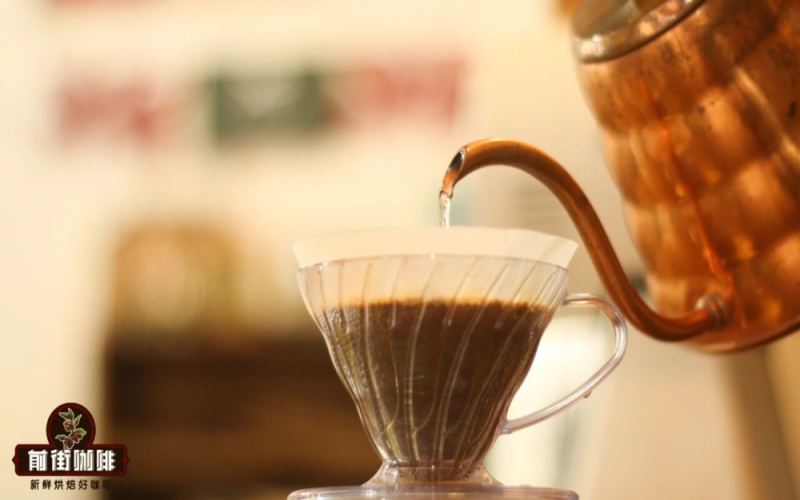
Pour-Over Coffee Three-Stage Extraction Explained: Full Analysis of 1:15 Coffee-to-Water Ratio, Water Temperature, Grind Size, and Brewing Parameters
What exactly should the coffee-to-water ratio for pour-over coffee be? Front Street Coffee has long adhered to the 1:15 ratio, a choice backed by both experimental data and the stability it brings to daily brewing. This article begins by distinguishing between the coffee-to-water ratio and the extraction liquid ratio, explains how the water absorbed by coffee grounds affects the final liquid volume, and then, in conjunction with the SCA Golden Cup extraction range, clarifies why 1:15 performs more evenly across commonly available beans. It then provides a complete breakdown of the three-stage pouring technique, including blooming, water volume, water level control, and flavor integration, helping coffee enthusiasts understand the flavor molecules corresponding to each extraction stage, and offering a brewing process that can be put into practice directly. [more…]
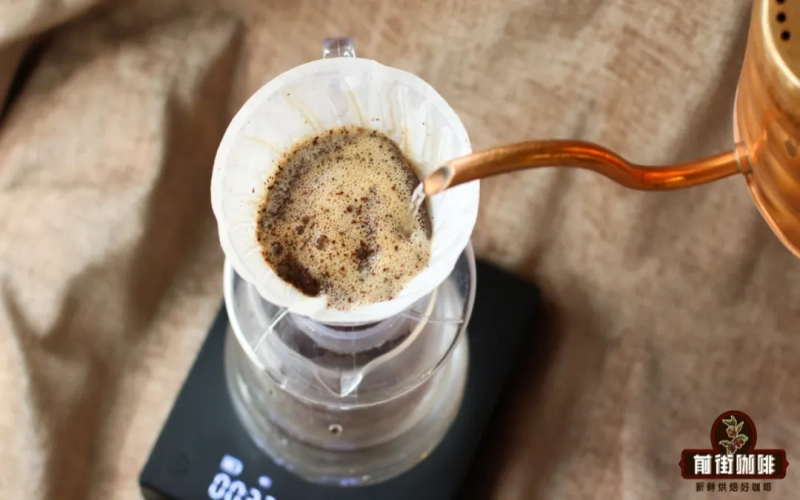
What Are the Principles and Advantages of Pulse Pouring in Pour-Over Coffee? A Full Analysis of Water Ratios and Flexible Adjustment Methods
In the practice of pour-over coffee, staged pouring is a widely used technique, yet the principles behind it and the scenarios in which it applies are often overlooked. Drawing on Front Street Coffee's brewing experience, this article systematically outlines the three major advantages of staged pouring: extending extraction time, improving extraction efficiency, and avoiding bypass water. At the same time, using concrete examples, the article explains how to flexibly adjust the number of pouring stages according to variables such as grind size, water temperature, coffee dose, and bean density. Whether you are a beginner just getting into pour-over or an enthusiast hoping to refine your technique, you can gain practical reference ideas from it to make each cup of coffee's flavor expression more stable and fuller. [more…]